
 What Is a Liver Shunt?
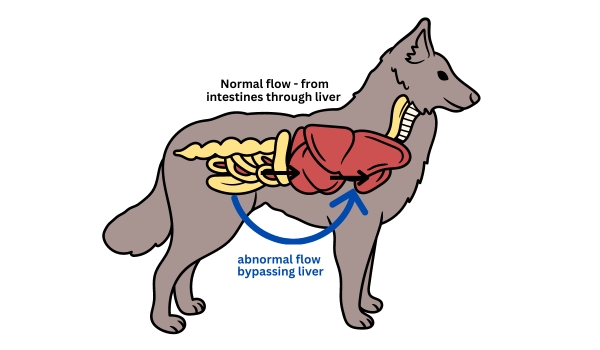
A portosystemic shunt is an abnormal blood vessel that allows blood from the intestines to bypass the liver instead of being filtered normally.
When toxins are not properly removed from the bloodstream, they can affect the brain and lead to neurological symptoms, a condition called hepatic encephalopathy.
Most liver shunts are congenital, meaning pets are born with them.
Symptoms of a Liver Shunt in Dogs and Cats
Liver shunts most commonly affect young animals under one year of age. Many affected pets are smaller than expected for their breed and age.
Common symptoms include:
- Seizures
- Confusion or staring episodes
- Weakness or wobbliness
- Poor growth
- Behavioral changes
- Excessive drooling or nausea
- Symptoms that worsen after eating
After meals, digestion produces toxins that would normally be filtered by the liver. In pets with a liver shunt, those toxins can reach the brain and worsen neurological signs.
Certain breeds, including Yorkshire Terriers, Maltese, Miniature Schnauzers, and Pugs, may be at higher risk.
How Is a Liver Shunt Diagnosed?
If a young dog or cat is showing neurological symptoms, liver testing is often recommended before advanced neurological imaging like MRI.
Common tests include:
- Bile acids testing, which is considered the gold standard screening test
- Total bilirubin levels on routine bloodwork
- Ammonia testing in some cases
If results suggest a liver shunt, imaging may include:
- Abdominal ultrasound
- CT portogram, the gold standard imaging test for confirming a shunt
Treatment Options
Medical Management
Medical therapy may help control symptoms and reduce toxin buildup. Treatment often includes:
- Lactulose
- Antibiotics such as amoxicillin or metronidazole
- Prescription low-protein diets
While medical management can improve quality of life, it does not correct the abnormal blood vessel itself.
Surgery
For many pets, especially those with extrahepatic shunts, surgery offers the best long-term outcome.
Early treatment can significantly improve quality of life and long-term prognosis.
Frequently Asked Questions
Can liver shunts cause seizures? Yes. Toxins that bypass the liver can affect the brain and nervous system, causing seizures and other neurological symptoms.
Can a liver shunt be cured? In many cases, yes. Surgical correction can provide excellent long-term outcomes, especially when diagnosed early.
What breeds are most prone to liver shunts? Yorkshire Terriers, Maltese, Miniature Schnauzers, and Pugs are among the dog breeds with higher rates of portosystemic shunts. In cats, Himalayans and Persians are more commonly affected, though any breed can develop the condition.
When should my pet be evaluated? As soon as possible. Early diagnosis can help prevent worsening neurological symptoms and liver damage.
When to Seek Veterinary Care
If your puppy or kitten is experiencing seizures, weakness, confusion, or unusual behavior, early evaluation is important.
At Wisconsin Animal Neurology, we work closely with your primary veterinarian and specialty teams to help determine the cause of neurological symptoms and guide the next steps in care. Contact us to schedule a consultation.